There’s little more frustrating than settling in to enjoy your favorite music, a gripping podcast, or an important call, only for your speaker to produce a dull, muted, or distorted sound. A muffled speaker can transform an immersive audio experience into a flat, irritating one, robbing you of clarity and detail. This common issue, however, doesn’t always signal a serious problem. Often, the culprits behind a muffled speaker are surprisingly simple, and many easy fixes can be implemented right at home to bring your audio back to life.
In this comprehensive guide, we’ll dive into the core reasons why your speaker might sound muffled, from physical blockages to software quirks and connectivity woes. More importantly, we’ll provide actionable, step-by-step solutions that empower you to troubleshoot and resolve these issues, helping you restore crisp, clear audio without needing professional intervention. Let’s uncover the secrets to a vibrant sound experience once more!
Understanding Muffled Speaker Sound
Muffled speaker sound refers to an audio output that lacks clarity, detail, and definition. Instead of sharp highs and distinct lows, you might hear a suppressed, unclear sound that seems “underwater” or “fuzzy.” Frequencies, especially in the vocal range, can sound repressed and distorted, making it difficult to discern speech or fully appreciate music. This degradation in quality can be frustrating, impacting everything from casual listening to critical communication. Understanding why this happens is the first step toward finding a solution.
Common Culprits: Why Your Speaker Sounds Muffled
Several factors can contribute to a speaker’s diminished sound quality. Identifying the root cause is crucial for applying the correct fix. These issues can range from simple external problems to more complex internal malfunctions.
Physical Obstruction & Damage
|
Our Picks for the Best Bluetooth speaker in 2026
As an Amazon Associate I earn from qualifying purchases.
|
||
| Num | Product | Action |
|---|---|---|
| 1 | JBL FLIP 5, Waterproof Portable Bluetooth Speaker, Black, Small |

|
| 2 | JBL Go 4 - Ultra-Portable, Waterproof and Dustproof Bluetooth Speaker, Big JBL Pro Sound with Punchy bass, 7-Hour Built-in Battery, Made in Part with Recycled Materials (Blue) |
|
| 3 | Monster S620 Bluetooth Speaker, Wireless Portable Outdoor Bluetooth Speakers, 60W True Wireless Stereo IPX8 Waterproof, Dual PairingBluetooth 5.4 Built-in Mic, Perfect for Home, Blue |
|
| 4 | Portable Bluetooth Speaker, IPX7 Waterproof Wireless Speaker with 20W Loud Stereo Sound, 15H Playtime & Beat-Synced RGB Light, Small Outdoor Speaker for Shower, Pool, Beach, Hiking and Gifts |
|
| 5 | Bose SoundLink Flex Bluetooth Speaker (2nd Gen) - Portable Outdoor Speaker with Hi-Fi Audio, Waterproof and Dustproof, USB-C, Up to 12 Hours Battery Life, Twilight Blue - Limited Edition Color |
|
| 6 | BolaButty Bluetooth Speaker with HD Sound, Portable Wireless, IPX5 Waterproof, Up to 20H Playtime, TWS Pairing, BT5.3, for Home/Party/Outdoor/Beach, Electronic Gadgets, Birthday Gift (Black) |
|
| 7 | JBL Charge 6 - Portable Waterproof & Drop-Proof Bluetooth Speaker, Bold JBL Pro Sound with AI Sound Boost, 28Hrs of Playtime, Built-in powerbank & Comes with a Sturdy/Removable Carrying Strap (Black) |
|
| 8 | Soundcore Boom 2 By Anker, Outdoor Speaker, 80W, Subwoofer, BassUp 2.0, 24H Playtime, IPX7 Waterproof, Floatable, RGB Lights, USB-C, Custom EQ, Bluetooth 5.3, Portable for Camping and Beach - Black |
|
| 9 | Anker Soundcore 2 Portable Bluetooth Speaker, 12W Stereo Sound with Deep Bass, IPX7 Waterproof, 24-Hour Playtime, Built-in Mic, for Home, Outdoors & Travel |
|
| 10 | JBL Go 3 - Portable Mini Bluetooth Speaker, big audio and punchy bass, IP67 waterproof and dustproof, 5 hours of playtime, speaker for home, outdoor and travel (Black) |
|
One of the most frequent and easily overlooked reasons for muffled sound is a physical barrier impeding sound waves.
Dust, Dirt, and Debris Buildup
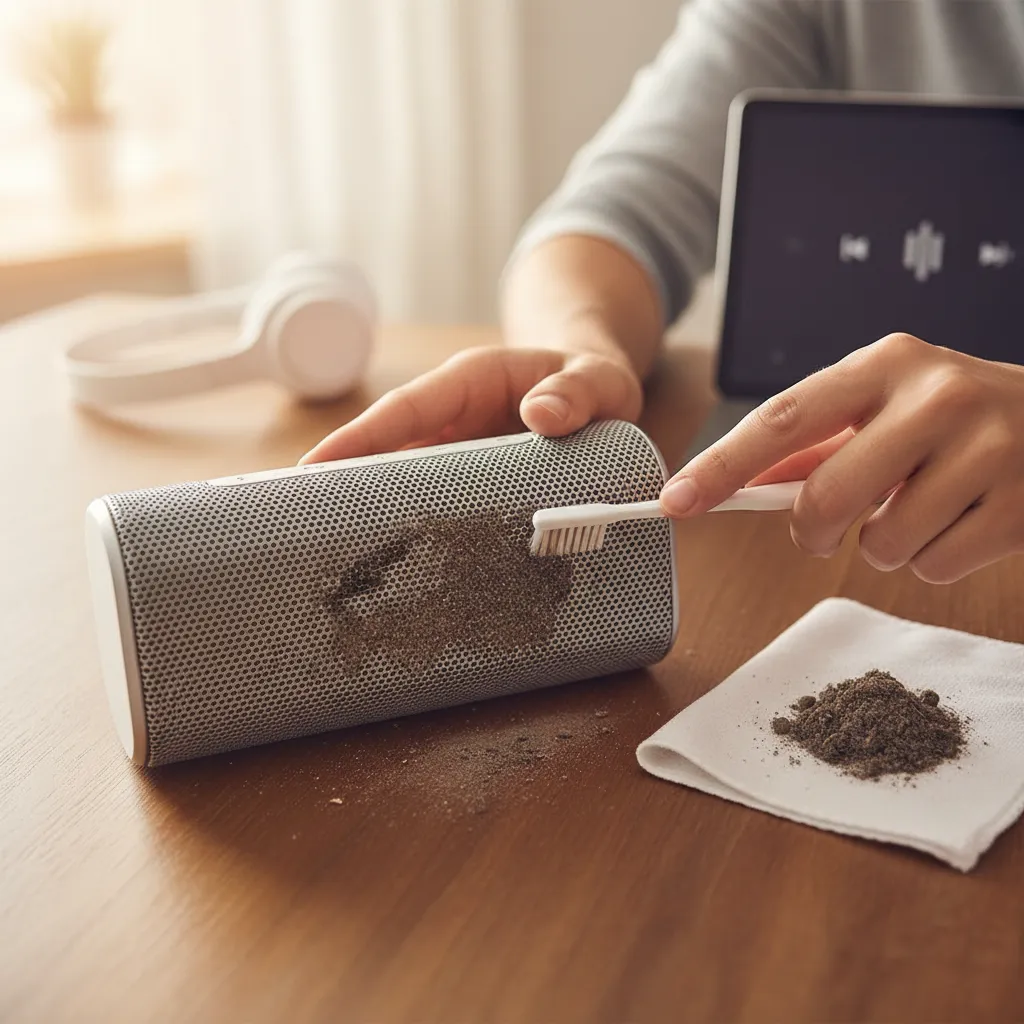
Over time, speaker grilles and ports accumulate dust, lint, dirt, crumbs, and even skin oils. These tiny particles can gradually clog the openings, acting as a physical barrier that prevents sound from escaping clearly. This is particularly common for portable devices like phone speakers, which are often exposed to pockets and various environments. As the buildup increases, the sound becomes progressively muted or fuzzy.
Water Damage and Moisture
Even speakers marketed as water-resistant can fall victim to moisture. Accidental spills, rain exposure, or even high humidity can allow water to seep into the speaker’s internal components. When water gets inside, it can interfere with the delicate vibrations of the internal parts, leading to distortion or a significantly quieted, muffled output. While some devices have features to expel water, persistent exposure can cause lasting damage.
Speaker Component Damage
Sometimes, the muffled sound indicates a more serious internal hardware problem. This could involve:
- Blown or Damaged Drivers: The cones, voice coils, or surrounds of the speaker drivers can wear out or become damaged due to overuse, physical impact (like dropping the speaker), or being driven at excessively high volumes.
- Internal Wiring Issues: Loose or deteriorated internal wiring within the speaker housing can interrupt the signal flow, leading to degraded and muffled audio.
- Amplifier Problems: In speakers with built-in amplifiers, the amplifier itself can develop issues over time, affecting the clarity and power of the sound output.
Connectivity and Wiring Issues
The way your speaker connects to its audio source plays a vital role in sound transmission.
Loose or Damaged Cables
For wired speaker systems, compromised connections are a common cause of muffled sound. Loose, frayed, or damaged cables connecting the amplifier to the speakers, or even internally within the speaker unit, can lead to signal loss or interference, resulting in unclear audio. It’s essential that all wires are securely fastened and in good condition.
Poor Bluetooth/Wireless Connections
Wireless speakers rely on a stable connection to their source device. Interference from other devices, excessive distance, physical barriers between the speaker and the source, or an outdated Bluetooth version can all disrupt the signal, causing audio dropouts, distortion, and a muffled effect.
Software and Settings Glitches
Sometimes, the problem isn’t with the hardware itself but with how the audio is being processed.
Incorrect Audio Settings
Many devices offer various audio settings, including equalizer (EQ) presets, volume limits, and balance controls. If these are incorrectly configured, or if certain “sound enhancement” features are enabled that don’t suit your speaker or audio content, they can inadvertently muffle the sound. For example, some EQ settings might boost bass excessively while suppressing mid-range and treble frequencies, leading to a muddy sound.
Outdated Drivers or Firmware
Audio drivers on your computer or the firmware on your smart speaker are essential software components that facilitate communication between the hardware and the operating system. Outdated or corrupted drivers/firmware can lead to glitches in audio processing, causing distorted or muffled output. Regular updates often contain bug fixes that resolve such issues.
Low-Quality Audio Sources
The quality of your audio source significantly impacts the final sound. Highly compressed audio files (like some MP3s or streaming services with low bitrate settings) or poor-quality input from a damaged auxiliary cable can result in inherently muffled or unclear sound, regardless of how good your speaker is.
Environmental and Setup Factors
Your listening environment and how your speakers are positioned can also affect sound clarity.
Suboptimal Speaker Placement
The placement of your speakers within a room can dramatically influence sound quality. If speakers are placed too close to walls, tucked into corners, or obstructed by furniture, the sound waves can bounce incorrectly or be absorbed, leading to a muffled or boomy sound rather than clear audio. Speakers should ideally be at ear level and have clear space around them.
Room Acoustics
The acoustic properties of your room can impact how sound is perceived. Rooms with many hard surfaces (bare walls, tile floors) can cause excessive reflections, while rooms with too many soft furnishings (thick carpets, heavy curtains) can absorb too much sound, making the audio sound dull and muffled.
Mismatched Power (Amplifier and Speaker)
For passive speakers that require an external amplifier, an imbalance in power handling or impedance between the amplifier and the speakers can lead to issues. Underpowering speakers can cause the amplifier to “clip” or distort, while overpowering them can damage the speaker drivers, both resulting in muffled and unpleasant sound.
Easy Fixes to Restore Clear Audio
Now that we’ve explored the common causes, let’s look at the practical, easy solutions you can try at home to resolve muffled speaker sound.
Clean Your Speakers Thoroughly
Accumulated gunk is a prime suspect for muffled sound, especially on portable devices.
- For Grilles and Ports: Use a soft-bristle brush (like a clean, dry toothbrush or a dedicated cleaning brush) to gently brush away dust and debris from the speaker grilles and any ports. You can also use a piece of adhesive tape (gently dabbed, not pressed hard) to lift lint and dirt.
- Compressed Air (Use with Caution): A brief, distant blast of compressed air can dislodge particles. However, hold the can at a distance and use short bursts, as too much pressure can damage delicate internal components.
- Avoid Liquids: Unless specifically recommended by the manufacturer, avoid using liquids directly on speaker grilles or ports, as this can worsen moisture-related issues.
Inspect and Secure Connections
For wired systems, always start by checking your physical connections.
- Speaker Cables: Disconnect and then firmly reconnect all speaker cables at both the amplifier/receiver end and the speaker terminals. Ensure there are no loose strands or frayed wires. If cables appear damaged, consider replacing them.
- Audio Inputs: For any audio input cables (AUX, RCA, USB), ensure they are fully seated and free from damage. Try a different cable if you suspect the original is faulty.
- Internal Wiring (if accessible and comfortable): If you’re comfortable and it’s safe to do so, for home speakers, you might gently check internal wiring for looseness on the crossover board or driver connections. Always disconnect power first.
Adjust Your Device’s Audio Settings
Software settings can often be the invisible cause of audio problems.
- Equalizer (EQ): Go into your device’s audio settings (e.g., in your phone’s settings, music app, or computer’s sound control panel) and reset any equalizer presets to “Flat” or “Off.” Then, gradually adjust them to your preference, listening for improvements.
- Balance and Volume Limits: Ensure the left-right audio balance is centered. Check for any volume limits or “loudness” controls that might be engaged and disable them initially.
- Sound Enhancements: Many devices have features like “Bass Boost,” “Virtual Surround,” or “Phone Noise Cancellation.” Try turning these off one by one, as they can sometimes introduce unwanted processing that leads to a muffled sound.
- Update Drivers/Firmware: Check for and install any available audio driver updates for your computer or firmware updates for your smart speaker/device.
Test with Different Audio Sources
To determine if the problem lies with your speaker or the audio input:
- Multiple Sources: Play audio from different devices (e.g., connect your phone, then a laptop, then use a different streaming service).
- Different Files: Try playing various audio files—different songs, podcasts, or even a system test sound—to see if the muffled effect is consistent across all content. If only certain files sound bad, the issue might be with the file quality itself.
Optimize Speaker Placement
Even a slight adjustment can make a big difference for traditional home speakers.
- Clear Obstructions: Ensure no furniture, curtains, or other objects are blocking the front or sides of your speakers.
- Ear Level: Ideally, position speakers so that the tweeters (smaller drivers for high frequencies) are at approximately ear level when you’re in your primary listening position.
- Distance from Walls: Experiment with pulling speakers slightly away from walls or out of corners to reduce unwanted bass boominess and improve clarity.
Address Water Exposure
If your speaker has recently been exposed to water:
- Power Off Immediately: Turn off the device and disconnect power.
- Dry Thoroughly: Gently shake out any visible water. You can try placing the speaker in a dry, well-ventilated area, or use a fan on a low setting to aid drying. For phones, some apps can play specific frequencies to help expel water from speakers.
- Avoid Heat: Do not use direct heat sources like hair dryers, as extreme heat can damage internal components. Allow several hours, or even a day, for complete drying before attempting to power it on again.
Restart and Reset
Software glitches can often be resolved with a simple reboot.
- Reboot Device: Turn off your speaker and its connected device, wait a minute, and then turn them back on.
- Reset Settings: For mobile devices, you might consider a “Reset All Settings” option (note: this resets network settings, keyboard dictionary, home screen layout, location settings, and privacy settings, but does not erase your data). This can resolve deep software conflicts.
When to Seek Professional Help
While many muffled speaker issues can be resolved with DIY fixes, there are times when professional intervention is necessary. If you’ve tried all the troubleshooting steps above and your speaker still sounds muffled, or if you suspect significant physical damage (like a completely blown driver, extensive water damage, or internal component failure that you’re not comfortable addressing), it’s best to consult a qualified technician. Attempting complex repairs without the proper tools or expertise can lead to further damage.
Conclusion
A muffled speaker can certainly put a damper on your audio experience, but the good news is that most common causes have straightforward, easy fixes. By methodically addressing potential issues—from cleaning away physical obstructions and securing loose connections to fine-tuning audio settings and optimizing speaker placement—you can often restore your speaker’s crisp, clear sound. Don’t let unclear audio diminish your enjoyment; empower yourself with these simple troubleshooting steps.
What’s the clearest sound you’ve ever heard from a speaker after fixing a muffled issue?
Frequently Asked Questions
Can dust really muffle a speaker?
Yes, absolutely. Dust, lint, and other debris can accumulate on speaker grilles and ports, forming a physical barrier that obstructs sound waves. This blockage prevents sound from traveling freely, leading to a noticeable muffled, muted, or fuzzy audio output. Regular cleaning can prevent this common issue.
How do I clean my speaker safely without causing damage?
To safely clean your speaker, use a soft, dry brush (like a clean toothbrush) or a specialized cleaning kit to gently remove debris from grilles and ports. For stubborn lint, you can carefully use adhesive tape. Avoid using liquids unless specified by the manufacturer, and if using compressed air, apply short, distant bursts to prevent internal damage.
Does water damage always mean buying a new speaker?
Not necessarily. For minor water exposure, immediate power-off and thorough drying in a well-ventilated area can sometimes prevent permanent damage and restore speaker function. However, significant water ingress, especially if the speaker remains powered on, can cause corrosion and circuitry damage that often requires professional repair or replacement.
Why do my phone speakers sound muffled after a software update?
If your phone speakers sound muffled after a software update, it could be due to a bug in the new software, corrupted audio drivers, or conflicting audio settings. A good first step is to restart your phone. If the problem persists, check your phone’s audio settings (EQ, sound enhancements), and if possible, look for subsequent bug-fix updates from the manufacturer.
What’s the difference between muffled sound and distortion?
Muffled sound typically means the audio lacks clarity and definition, sounding dull or suppressed, often due to blockages or incorrect frequency balance. Distortion, on the other hand, implies an unnatural, harsh, or crackling sound that often occurs when the audio signal is overdriven, corrupted, or when speaker components are damaged and can’t accurately reproduce the sound waves.