In our increasingly connected world, lithium batteries power everything from our smartphones and laptops to electric vehicles and home energy storage systems. While indispensable, these powerful energy sources pose significant environmental and safety risks if not handled and recycled correctly. Understanding the proper procedures for recycling old lithium batteries is not just a responsible act; it’s a crucial step towards safeguarding our planet and preventing potential hazards.
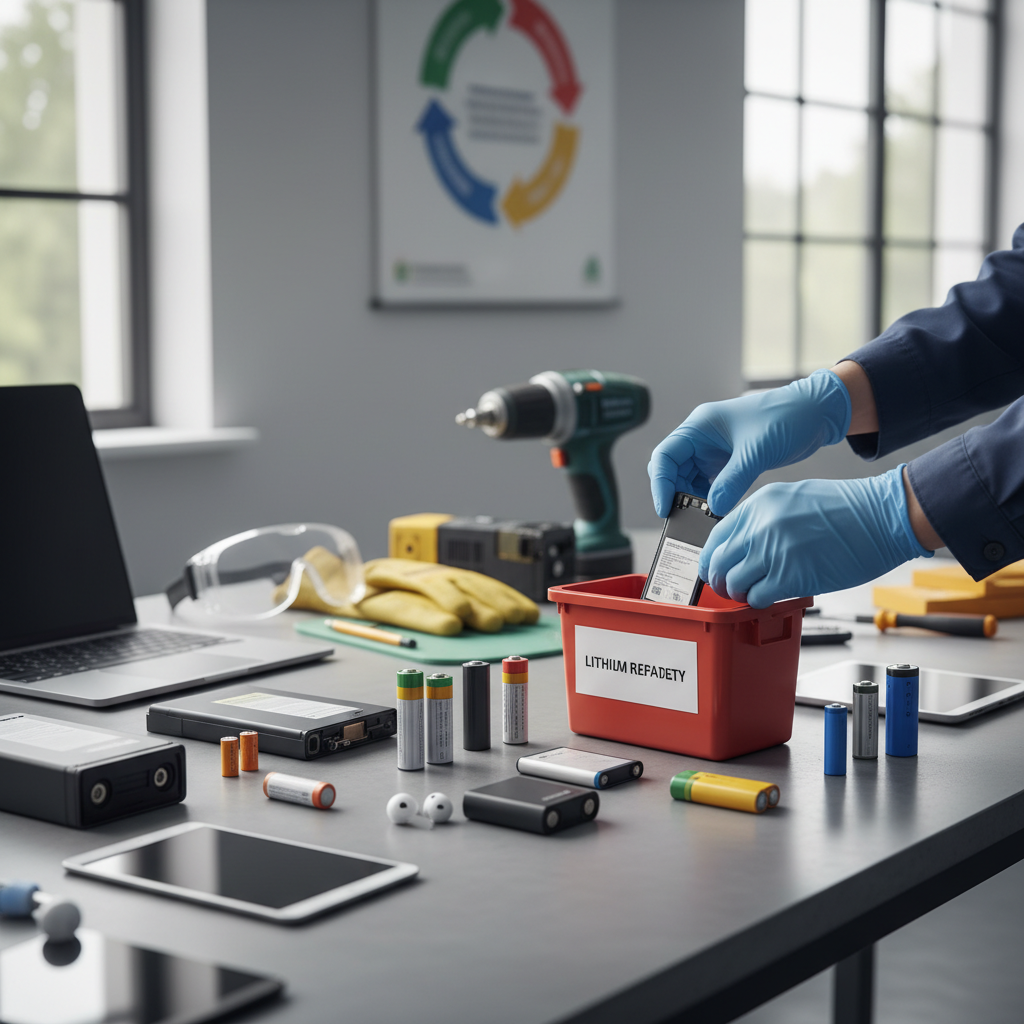
The Urgent Need to Recycle Lithium Batteries
Lithium-ion batteries are a marvel of modern engineering, offering high energy density and longevity. However, their internal chemistry, which includes valuable critical minerals like cobalt, nickel, and lithium, also contains hazardous materials. When improperly disposed of in landfills, these chemicals can leach into the soil and water, contaminating ecosystems and posing threats to human health. Beyond environmental concerns, lithium batteries, particularly when damaged or nearing the end of their life, present a substantial fire risk. A punctured or short-circuited battery can overheat, catch fire, or even explode, endangering waste management facilities and homes. Proper recycling mitigates these risks, recovering precious materials for new products and preventing dangerous incidents.
Understanding Lithium-Ion Batteries
Lithium-ion (Li-ion) batteries are a type of rechargeable battery commonly used in portable electronics and electric vehicles. They work by moving lithium ions between the anode and cathode through an electrolyte. Unlike traditional alkaline batteries, Li-ion batteries are not meant for general waste streams due to their complex composition and the potential for thermal runaway if mishandled. Their widespread adoption has led to a growing need for specialized recycling infrastructure that can safely extract valuable components and neutralize hazardous elements.
Preparing Your Lithium Batteries for Recycling: A Step-by-Step Guide
Proper preparation is paramount to safely recycling lithium batteries and preventing accidents.
Removal
|
Our Picks for the Best Bluetooth speaker in 2026
As an Amazon Associate I earn from qualifying purchases.
|
||
| Num | Product | Action |
|---|---|---|
| 1 | BolaButty Bluetooth Speaker with HD Sound, Portable Wireless, IPX5 Waterproof, Up to 20H Playtime, TWS Pairing, BT5.3, for Home/Party/Outdoor/Beach, Electronic Gadgets, Birthday Gift (Black) |

|
| 2 | JBL Go 4 - Ultra-Portable, Waterproof and Dustproof Bluetooth Speaker, Big JBL Pro Sound with Punchy bass, 7-Hour Built-in Battery, Made in Part with Recycled Materials (Blue) |
|
| 3 | JBL FLIP 5, Waterproof Portable Bluetooth Speaker, Black, Small |
|
| 4 | JBL Go 3 - Portable Mini Bluetooth Speaker, big audio and punchy bass, IP67 waterproof and dustproof, 5 hours of playtime, speaker for home, outdoor and travel (Black) |
|
| 5 | Soundcore Boom 2 By Anker, Outdoor Speaker, 80W, Subwoofer, BassUp 2.0, 24H Playtime, IPX7 Waterproof, Floatable, RGB Lights, USB-C, Custom EQ, Bluetooth 5.3, Portable for Camping and Beach - Black |
|
| 6 | Portable Bluetooth Speaker, IPX7 Waterproof Wireless Speaker with 20W Loud Stereo Sound, 15H Playtime & Beat-Synced RGB Light, Small Outdoor Speaker for Shower, Pool, Beach, Hiking and Gifts |
|
| 7 | Bose SoundLink Flex Bluetooth Speaker (2nd Gen) - Portable Outdoor Speaker with Hi-Fi Audio, Waterproof and Dustproof, USB-C, Up to 12 Hours Battery Life, Twilight Blue - Limited Edition Color |
|
| 8 | Monster S620 Bluetooth Speaker, Wireless Portable Outdoor Bluetooth Speakers, 60W True Wireless Stereo IPX8 Waterproof, Dual PairingBluetooth 5.4 Built-in Mic, Perfect for Home, Blue |
|
| 9 | Anker Soundcore 2 Portable Bluetooth Speaker, 12W Stereo Sound with Deep Bass, IPX7 Waterproof, 24-Hour Playtime, Built-in Mic, for Home, Outdoors & Travel |
|
| 10 | JBL Charge 6 - Portable Waterproof & Drop-Proof Bluetooth Speaker, Bold JBL Pro Sound with AI Sound Boost, 28Hrs of Playtime, Built-in powerbank & Comes with a Sturdy/Removable Carrying Strap (Black) |
|
Whenever possible, carefully remove the lithium battery from its device. Consult your device’s manual for specific instructions, as some batteries are not designed to be user-removable. If the battery cannot be removed, the entire device should be recycled as e-waste, ensuring it goes to a facility equipped to handle integrated batteries.
Insulation
A critical safety measure is to insulate the battery’s terminals. Even seemingly “dead” batteries can retain enough residual charge to cause a short circuit if their positive and negative terminals come into contact with metal objects or other batteries. Use clear packing tape, electrical tape, or non-conductive tape to cover both terminals. For button or coin-shaped batteries, it’s best to tape the entire flat surface.
Storage
Store prepared batteries in a cool, dry place, away from direct sunlight or extreme temperatures. A non-conductive container, such as a plastic bag or a sturdy cardboard box, is ideal for temporary storage. Avoid storing them in metal containers.
Damaged Batteries
Exercise extreme caution with damaged, swollen, or leaking batteries. These batteries are at a higher risk of thermal events. If a battery appears damaged, place it in an individual, insulated plastic bag or container, such as a bucket of sand, and contact your local recycling facility or hazardous waste program immediately for specific instructions. Do not attempt to charge or use a damaged battery.
Where to Recycle Lithium Batteries: Finding the Right Drop-Off
Never place old lithium batteries in your household trash or regular curbside recycling bin. They require specialized handling.
Local Collection Programs
Many communities offer Household Hazardous Waste (HHW) collection programs or dedicated recycling centers that accept lithium batteries. Check your local municipal waste management website for schedules and drop-off locations.
Retailer Take-Back Programs
Major retailers like Lowe’s, Best Buy, The Home Depot, and Batteries Plus often participate in battery recycling initiatives, such as the Call2Recycle program. These stores typically have designated drop-off bins for rechargeable batteries, including Li-ion. Use resources like Call2Recycle.org or Earth911.com to find participating locations near you.
Specialized Battery Recyclers
Some companies specialize exclusively in battery recycling. Organizations like Redwood Materials are developing advanced facilities to process large volumes of lithium-ion batteries, including those from electric vehicles.
Manufacturer and Retailer Programs
Some manufacturers and electronics retailers offer take-back programs for their own products or batteries. It’s always a good idea to check with the original seller or brand for their specific recycling options.
Mail-Back Services
Certain waste management companies provide prepaid mail-back kits for battery recycling, offering a convenient option if local drop-offs are scarce.
Online Resources
Websites such as Earth911, Call2Recycle, and the Consumer Technology Association’s Greener Gadgets provide searchable databases to help you find battery recycling locations by zip code.
What Happens During Lithium Battery Recycling?
The recycling of lithium batteries is a complex industrial process designed to recover valuable materials and safely manage hazardous components. Generally, recycling methods fall into a few categories:
- Pyrometallurgy (Smelting): This heat-based process melts down batteries, typically recovering metals like cobalt and nickel, though often at the expense of lithium, which can be challenging to extract from the slag.
- Hydrometallurgy (Leaching): This method uses chemical solutions to dissolve battery materials, allowing for the separation and recovery of high-purity cobalt, nickel, lithium, and manganese. Facilities using this technology are rapidly advancing.
- Direct Recycling: Also known as “cathode to cathode recycling,” this innovative approach aims to preserve the existing cathode structure, the most valuable part of a lithium-ion battery. By directly restoring and reusing these materials, it significantly reduces the energy and resources needed for manufacturing new batteries.
The recovered metals are then processed further to be reintroduced into the production cycle, creating new batteries or other products. This closed-loop system reduces reliance on virgin raw materials, lessens mining impact, and decreases energy consumption.
The Broader Impact: Reuse and Repurposing
Beyond recycling, opportunities exist for extending the life of lithium-ion batteries through reuse and repurposing. Batteries that no longer meet the demanding requirements for their original application (e.g., powering an electric vehicle) may still retain sufficient capacity for less strenuous uses, such as stationary energy storage in homes or grid applications. This secondary life delays the need for recycling, maximizing the battery’s utility and further reducing environmental impact.
Common Misconceptions and FAQs
Can I throw lithium batteries in my regular trash or recycling bin?
Absolutely not. Lithium batteries pose a fire hazard and contain hazardous materials that can harm the environment if sent to landfills or processed incorrectly in standard recycling facilities.
Are all batteries recycled the same way?
No. Different battery chemistries (e.g., alkaline, lead-acid, nickel-cadmium, lithium-ion) require distinct recycling processes. Always identify the battery type before attempting to recycle.
What if my lithium battery is completely dead and won’t charge?
Even a completely discharged lithium battery can still have enough residual energy to cause a short circuit or fire. Always tape the terminals before preparing it for recycling, regardless of its charge state.
Conclusion
Recycling old lithium batteries is an essential practice in our modern, electrified world. It’s a critical action that contributes to environmental protection by preventing hazardous waste and conserving valuable resources. By adhering to proper preparation methods—safely removing batteries, taping terminals, and storing them correctly—and utilizing the appropriate recycling channels, we can collectively mitigate safety risks and support the circular economy for these vital power sources. Taking a few simple steps to responsibly manage your used lithium batteries makes a tangible difference. How will you contribute to a safer, more sustainable future today?