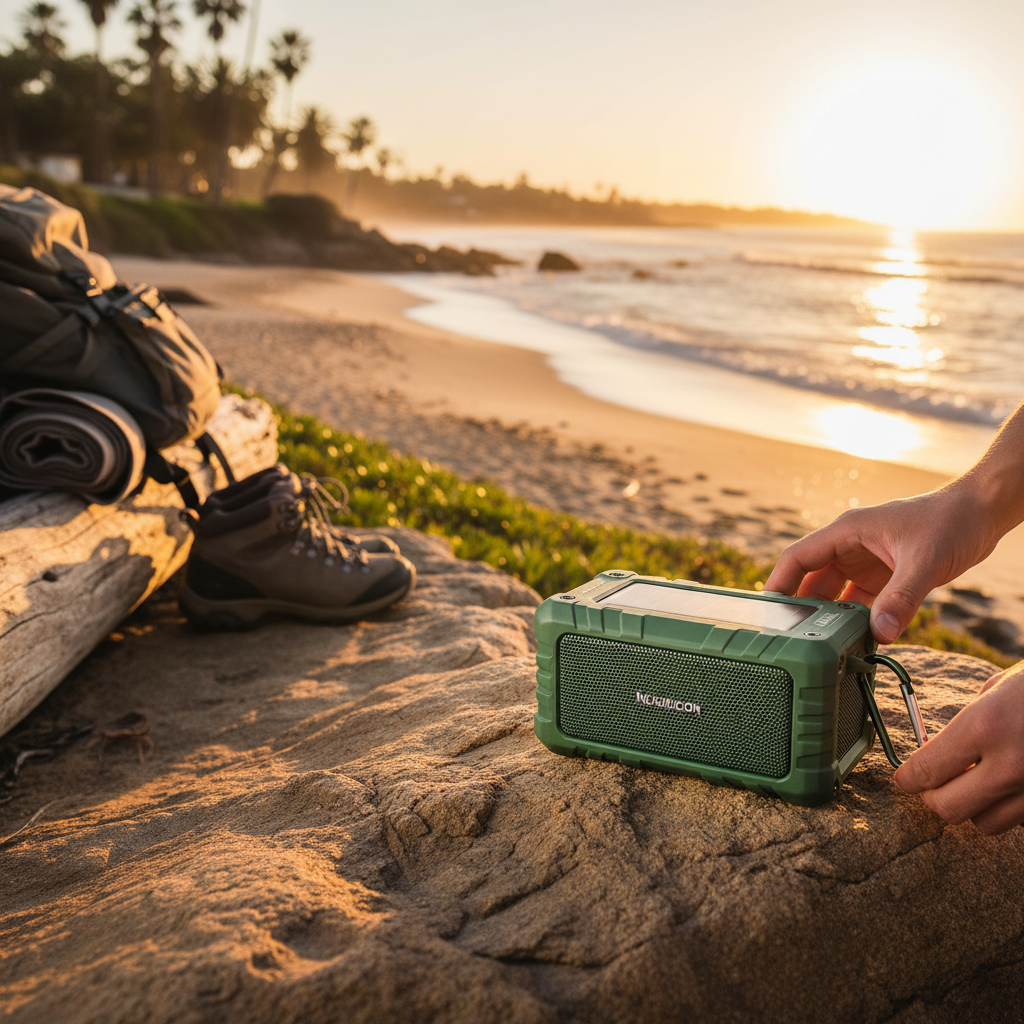
Are you a music enthusiast, a gigging musician, or simply someone who loves taking their portable speaker everywhere? Then you know the struggle: keeping your beloved audio companion safe from bumps, scratches, and the elements during transit. Store-bought cases can be expensive, generic, or simply not fit your unique speaker’s dimensions or your personal style. Imagine crafting a custom DIY speaker carry case that perfectly encases your speaker, offers superior protection, and reflects your individuality. This guide will walk you through everything you need to know to build a functional and stylish carry case tailored to your needs for 2026 and beyond.
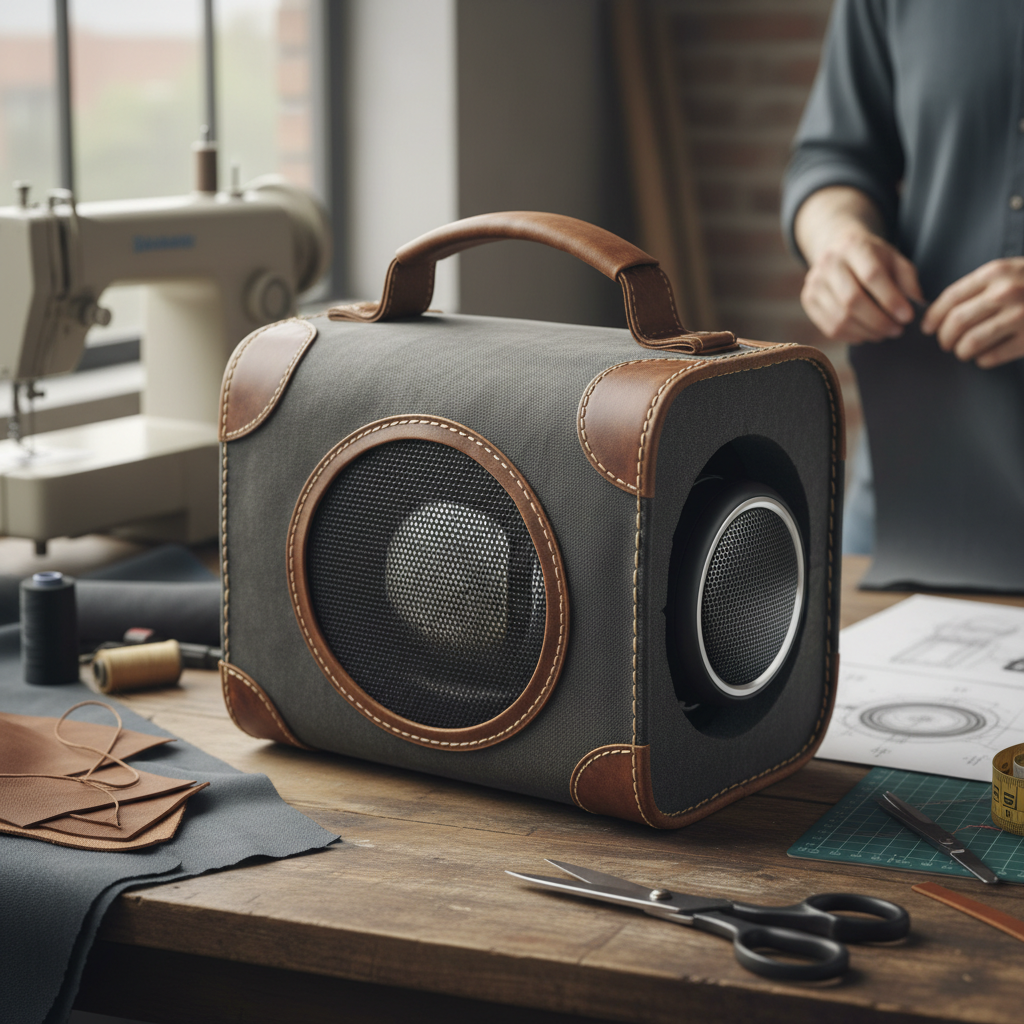
Understanding Speaker Carry Cases: More Than Just a Bag
A speaker carry case is an essential accessory designed to protect your portable audio device during transport and storage. Beyond mere aesthetics, its primary function is to shield your speaker from physical damage, dust, and moisture, extending its lifespan and maintaining its performance. For professionals, it means safeguarding valuable equipment between venues, while for casual users, it ensures your speaker arrives intact for every outdoor adventure or gathering. A well-designed DIY case offers the unique advantage of a custom fit, ensuring maximum protection and often at a fraction of the cost of commercial alternatives.
Types of DIY Speaker Carry Cases
When embarking on your DIY speaker carry case project, you have a spectrum of options, ranging from soft, flexible covers to robust, rigid enclosures. The best choice depends on the level of protection required, your DIY skills, and the materials you have access to.
1. Soft Padded Covers/Bags
Ideal for protecting against scratches, dust, and minor impacts, soft padded covers are relatively easy to construct and great for everyday use or lighter speakers.
-
Materials:
- Outer Fabric: Durable canvas, denim, heavy-duty polyester, or even repurposed moving blankets provide a sturdy exterior.
- Padding: Foam (1/4 to 1/2 inch thick upholstery foam, craft foam, or recycled foam sheets) is crucial for shock absorption.
- Inner Lining: Soft fabric like felt or flannel prevents scratching the speaker’s surface.
- Fasteners: Zippers, Velcro strips, buckles, or snaps.
- Straps/Handles: Webbing, sturdy fabric strips, or pre-made handles.
- Fabric Adhesive (Optional): Products like “Fabric Fuse” can be used for no-sew alternatives.
-
Tools:
- Measuring tape or ruler
- Fabric scissors or rotary cutter
- Sewing machine (recommended) or strong needle and thread
- Fabric markers or chalk
- Utility knife (for foam)
-
Construction Steps:
- Measure and Design: Accurately measure your speaker’s dimensions (height, width, depth, and circumference). Sketch your pattern on paper, adding seam allowances (typically 1/2 inch) and extra space for padding. Consider a box-style bag or a slipcover design.
- Cut Fabric and Foam: Cut your outer fabric, padding, and inner lining according to your pattern. Remember to cut identical pieces for each layer where applicable.
- Layer and Attach Padding: Sandwich the foam between the outer fabric and inner lining. You can quilt these layers together with a sewing machine or use fabric adhesive spray to bond them.
- Assemble the Case Body: Sew or glue the main body panels together, leaving one side open for insertion. If using a zipper, attach it to the opening.
- Add Handles/Straps: Securely sew or rivet handles and/or shoulder straps to the appropriate locations, ensuring they can bear the speaker’s weight.
- Finishing Touches: Reinforce stress points, trim excess fabric, and add any external pockets for cables or accessories.
|
Our Picks for the Best Bluetooth speaker in 2026
As an Amazon Associate I earn from qualifying purchases.
|
||
| Num | Product | Action |
|---|---|---|
| 1 | JBL Go 3 - Portable Mini Bluetooth Speaker, big audio and punchy bass, IP67 waterproof and dustproof, 5 hours of playtime, speaker for home, outdoor and travel (Black) |

|
| 2 | Soundcore Boom 2 By Anker, Outdoor Speaker, 80W, Subwoofer, BassUp 2.0, 24H Playtime, IPX7 Waterproof, Floatable, RGB Lights, USB-C, Custom EQ, Bluetooth 5.3, Portable for Camping and Beach - Black |
|
| 3 | JBL FLIP 5, Waterproof Portable Bluetooth Speaker, Black, Small |
|
| 4 | Monster S620 Bluetooth Speaker, Wireless Portable Outdoor Bluetooth Speakers, 60W True Wireless Stereo IPX8 Waterproof, Dual PairingBluetooth 5.4 Built-in Mic, Perfect for Home, Blue |
|
| 5 | Bose SoundLink Flex Bluetooth Speaker (2nd Gen) - Portable Outdoor Speaker with Hi-Fi Audio, Waterproof and Dustproof, USB-C, Up to 12 Hours Battery Life, Twilight Blue - Limited Edition Color |
|
| 6 | Anker Soundcore 2 Portable Bluetooth Speaker, 12W Stereo Sound with Deep Bass, IPX7 Waterproof, 24-Hour Playtime, Built-in Mic, for Home, Outdoors & Travel |
|
| 7 | JBL Go 4 - Ultra-Portable, Waterproof and Dustproof Bluetooth Speaker, Big JBL Pro Sound with Punchy bass, 7-Hour Built-in Battery, Made in Part with Recycled Materials (Blue) |
|
| 8 | JBL Charge 6 - Portable Waterproof & Drop-Proof Bluetooth Speaker, Bold JBL Pro Sound with AI Sound Boost, 28Hrs of Playtime, Built-in powerbank & Comes with a Sturdy/Removable Carrying Strap (Black) |
|
| 9 | BolaButty Bluetooth Speaker with HD Sound, Portable Wireless, IPX5 Waterproof, Up to 20H Playtime, TWS Pairing, BT5.3, for Home/Party/Outdoor/Beach, Electronic Gadgets, Birthday Gift (Black) |
|
| 10 | Portable Bluetooth Speaker, IPX7 Waterproof Wireless Speaker with 20W Loud Stereo Sound, 15H Playtime & Beat-Synced RGB Light, Small Outdoor Speaker for Shower, Pool, Beach, Hiking and Gifts |
|
2. Rigid or Semi-Rigid Cases
For maximum protection against drops, crushing, and harsh environments, a rigid case is the way to go. These can be crafted from scratch or by modifying existing hard-shell containers.
-
Materials:
- Case Shell:
- Repurposed Items: Old suitcases, toolboxes, camera cases, or even sturdy plastic storage bins.
- Wood: Plywood (Baltic birch or MDF are good choices for durability and workability), cut to size.
- Hard Plastic Sheets: For a custom, lightweight rigid shell.
- Internal Padding: High-density foam (e.g., polyethylene foam, acoustic foam, or repurposed yoga mats) that can be precisely cut to cradle the speaker.
- Adhesive: Strong contact cement or spray adhesive for foam.
- Hardware: Latches, hinges, handles, corner protectors, and optional wheels.
- Exterior Finish (for wooden cases): Paint, carpet, vinyl covering.
- Case Shell:
-
Tools:
- Measuring tape or ruler
- Jigsaw, circular saw, or hand saw (for wood/plastic)
- Drill with various bits
- Utility knife or hot wire foam cutter (for precise foam cuts)
- Screwdriver set
- Clamps
- Safety gear (gloves, eye protection)
-
Construction Steps:
- Measure and Plan: Take precise measurements of your speaker. Decide on the type of rigid case (e.g., a simple box or a modified existing case). Create a detailed plan or sketch.
- Prepare the Shell:
- For Repurposed Items: Clean out the interior. If necessary, reinforce weak points with wood or plastic panels.
- For Wooden Cases: Cut plywood or MDF panels to form a box. Assemble with wood glue and screws, ensuring square corners.
- Cut and Fit Foam Inserts: This is critical for shock absorption.
- Trace the outline of your speaker onto a thick piece of high-density foam.
- Carefully cut out the speaker’s silhouette using a utility knife or foam cutter.
- Cut additional foam pieces to line the bottom, top, and sides of the case.
- Ensure a snug fit that cradles the speaker without excessive pressure.
- Adhere Foam: Glue the foam lining to the interior of the case shell. Insert the custom-cut foam piece that holds the speaker.
- Install Hardware: Attach sturdy handles, durable latches, and hinges. For larger cases, consider adding rubber feet or wheels for easier transport.
- Finish the Exterior: For wooden cases, apply paint, carpet, or a vinyl covering for a professional look and added protection.
Essential Factors When Crafting Your DIY Speaker Carry Case
Creating the perfect carry case requires thoughtful consideration of several factors.
- Speaker Dimensions: Precision is paramount. Measure your speaker’s exact length, width, and height. Remember to account for any protruding buttons, grilles, or feet. Add extra space for internal padding, usually 1/2 to 1 inch on all sides, depending on the foam thickness.
- Material Selection:
- Durability: Choose fabrics like heavy canvas, ballistic nylon, or marine vinyl for soft cases, or plywood, ABS plastic, or aluminum for hard cases.
- Padding: High-density foam (e.g., EVA foam, polyethylene foam) offers superior shock absorption. Soft foam is good for preventing scratches.
- Weather Resistance: Consider water-resistant or waterproof materials and zippers if your speaker will be exposed to the elements.
- Protection Level: Assess your speaker’s typical environment. A soft padded bag is sufficient for home storage or light travel, while a rigid case is necessary for rough transport, outdoor events, or stacking.
- Portability Features:
- Handles: Sturdy, comfortable handles are a must.
- Straps: Adjustable shoulder straps or backpack straps for hands-free carrying.
- Wheels: For larger, heavier speakers, integrated wheels can significantly ease transport.
- Additional Storage: Built-in pockets or compartments for charging cables, adapters, remote controls, or other accessories are incredibly practical.
- Budget: DIY offers flexibility. Repurpose materials (old bags, blankets) for cost-effective options, or invest in quality new materials for a more professional finish.
“A well-designed speaker carry case isn’t just about protection; it’s about peace of mind. Knowing your gear is safe allows you to focus on the music.” – Alex Chen, Audio Equipment Specialist at ReviewGE.
Step-by-Step Guide: Crafting Your Custom Speaker Carry Case
Here’s a generalized workflow that applies whether you’re making a soft bag or a hard case.
- Planning & Design:
- Sketch your desired case. Consider the shape, type of closure, handles, and any extra pockets.
- Determine the construction method (sewing, gluing, woodworking).
- List all necessary materials and tools.
- Gathering Materials & Tools:
- Purchase or gather all items identified in your plan. Ensure you have enough fabric, foam, wood, or hardware.
- Prepare your workspace and ensure all tools are clean and in good working order.
- Measuring Your Speaker:
- Use a flexible measuring tape for accurate dimensions of your speaker.
- Add the necessary allowances for padding and seam allowances (if sewing).
- Cutting & Shaping Materials:
- Carefully cut all fabric, foam, or wood pieces according to your measurements and design. Precision here prevents ill-fitting components later.
- For foam, use a sharp utility knife or a hot wire cutter for clean edges.
- Assembly & Reinforcement:
- Soft Cases: Begin by layering and attaching the padding to the outer/inner fabric. Sew the main body panels together.
- Hard Cases: Assemble the wooden box, or prepare the repurposed hard shell.
- For both, integrate any necessary reinforcements at stress points, especially where handles or straps will be attached.
- Adding Finishing Touches:
- Install zippers, latches, or Velcro closures.
- Attach handles, straps, or wheels.
- Add internal dividers or external pockets for accessories.
- Apply any desired exterior finishes like paint or fabric covering.
Top Tips for a Successful DIY Project
- Measure Twice, Cut Once: This age-old adage is especially true in DIY projects. Double-checking your measurements can save you time and material.
- Prioritize Internal Padding: The interior foam is your speaker’s first line of defense. Ensure it’s thick enough and snugly fitted to prevent movement within the case.
- Consider Future Upgrades: If you frequently upgrade speakers, consider making a case with removable or adjustable foam inserts.
- Safety First: Always wear appropriate safety gear (gloves, eye protection) when using cutting tools, drills, or adhesives.
- Test Fit Regularly: As you assemble, frequently test-fit your speaker inside the developing case to catch any sizing issues early.
Conclusion
Creating your own DIY speaker carry case is a rewarding project that offers unparalleled customization, protection, and often significant cost savings. Whether you opt for a simple padded cover or a rugged hard-shell case, the satisfaction of transporting your beloved speaker in a custom-built enclosure is immense. By carefully planning, selecting the right materials, and executing each step with precision, you can craft a durable, functional, and stylish carry case that will serve your audio adventures for years to come. So, what kind of adventures will your custom speaker carry case accompany you on first?
Frequently Asked Questions
What are the best materials for a DIY speaker carry case to ensure maximum protection?
For maximum protection, a rigid outer shell made from plywood (e.g., Baltic birch), ABS plastic, or a repurposed hard-shell suitcase, combined with high-density foam inserts (like polyethylene or EVA foam) for internal padding, is ideal. These materials offer excellent impact resistance and shock absorption.
Can I make a waterproof speaker carry case myself?
Yes, you can. For a waterproof case, you’ll need to use waterproof materials for the outer shell, such as marine-grade vinyl or treated canvas, and ensure all seams are sealed with waterproof adhesive or seam sealer. Additionally, consider using waterproof zippers or roll-top closures.
How do I ensure my DIY speaker case has enough padding without making it too bulky?
Achieving the right balance involves using high-density foam (1/2 to 1 inch thick) that provides significant shock absorption without excessive volume. Custom-cut foam inserts that precisely cradle your speaker, preventing any movement, are key. Avoid using soft, low-density foams that compress easily.
What tools are essential for a beginner to build a speaker carry case?
For a basic soft padded bag, essential tools include a measuring tape, fabric scissors, a sewing machine (or strong needle and thread), and fabric markers. For a rigid case, a jigsaw or hand saw, a drill, a utility knife for foam, strong adhesive, and screwdrivers will be necessary.